


Clear aligners, explained by an orthodontist
What they are, how they move your teeth, when they are a good fit and when they are not, and what they cost in Cancun. No fine print.
5.0 on GoogleTop Doctor 3 years runningiTero scannerEnglish and Spanish

Clear aligners are custom-made trays of clear plastic that move your teeth little by little. You wear each one for one or two weeks, 20 to 22 hours a day, and take them out to eat and brush. They work for most crooked, crowded or gapped teeth and for many bite problems. In the most complex cases, an orthodontist has to decide whether aligners or braces are the better choice.
What they are, and what they are not
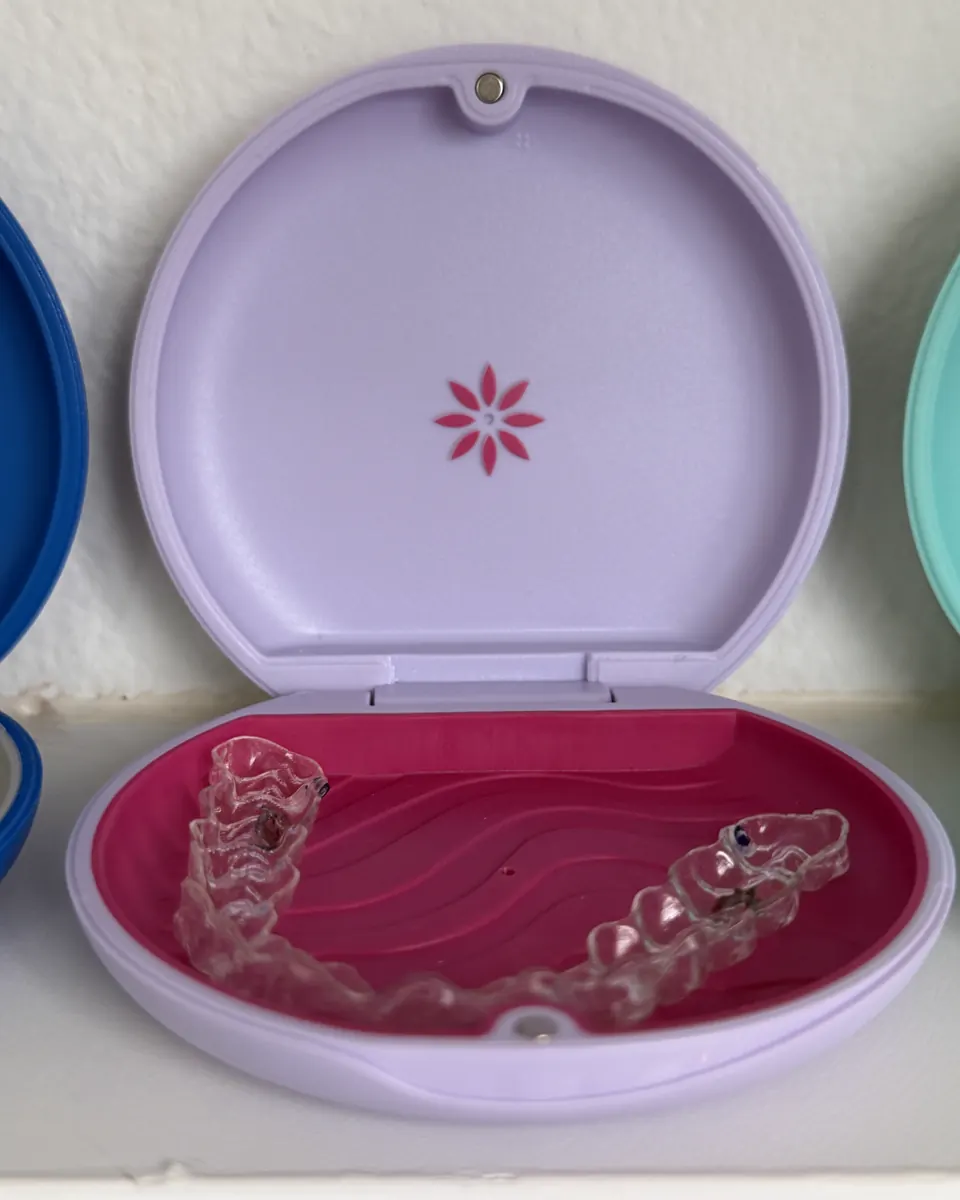
An aligner is a thin plastic shell that covers your teeth. It is made from a scan of your mouth, and each one is a little further along than the last.
You will hear several names for the same thing: clear aligners, invisible aligners, dental aligners, orthodontics without braces. Invisalign is the best-known brand and the one with the longest track record, but it is not the only one.
"Invisible orthodontics" is a broader term. Besides aligners, it includes lingual braces, which are bonded to the back of the teeth, and some people use it for tooth-colored braces too. Every aligner is invisible orthodontics, but not all invisible orthodontics is aligners. If someone quotes you "invisible orthodontics", ask exactly which appliance it is.
How they move your teeth
The whole movement is planned on a computer before you put in your first aligner.
- 3D scanAn intraoral scanner, like the iTero, captures your teeth in a few minutes. No putty, no molds.
- Digital planThe orthodontist designs every movement in software (for Invisalign it is called ClinCheck), and you see on screen how your smile would look.
- Your set of alignersThey are all custom-made. You switch to the next one every one or two weeks.
- Daily wear20 to 22 hours a day. You only take them out to eat, drink anything other than water and brush your teeth.
- Check-upsAbout every two months, to make sure everything follows the plan.
- RetentionWhen you finish, you wear retainers so your teeth do not drift back.
To move some teeth, small tooth-colored bumps called attachments are bonded on. They give the aligner grip and are removed at the end without leaving a mark.
How they move, one aligner at a time
Each aligner moves your teeth about a quarter of a millimeter. It sounds like nothing, but repeated every one or two weeks, that is what straightens them. That is why 22 hours a day matters: if you do not wear it, the next one no longer fits.
In 27 seconds, from day 1 to the end of treatment. The video is in Spanish.
Why they are today's most modern option
You see the result before you start
With braces, the result shows up along the way. With aligners, the digital plan shows you from day one how your teeth will move and how long treatment will take.
Almost nobody notices
They are clear and fit snugly on your teeth. You can lead a meeting, take photos or go to a wedding, and in most conversations nobody can tell.
No wires that hurt
There are no brackets coming loose or wires poking your cheeks, so emergency visits are rare. You feel pressure for a day or two with each new aligner, and that is it.
You eat and brush as usual
You take them out to eat, so no food is off limits. You brush and floss normally, which is a lot harder with braces.
Aligners or braces: an honest comparison
Both move teeth. What changes is how treatment fits your life and which cases each one handles best.
| Aligners | Braces | |
|---|---|---|
| Visible | Barely | Yes, less so with clear braces |
| Eating | Take them out and eat anything | Avoid hard and sticky food |
| Hygiene | Normal brushing and flossing | Harder around each bracket |
| Discomfort | Pressure for a day or two per aligner | Rubbing and wire adjustments |
| Emergencies | Rare | Loose brackets or wires |
| Discipline | Up to you: 20 to 22 hours a day | Fixed: they work even if you forget |
| Very complex cases | Many yes; some no | Handle almost all |
| See the result first | Yes, in 3D | No |
| Price | Higher | More affordable |
If you are torn between the two, at the consultation we tell you which one suits you. We also do self-ligating and clear braces, so we have no reason to push you either way.
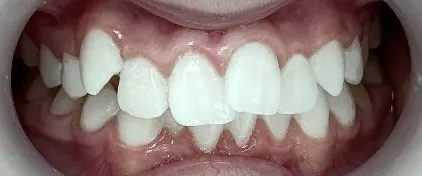
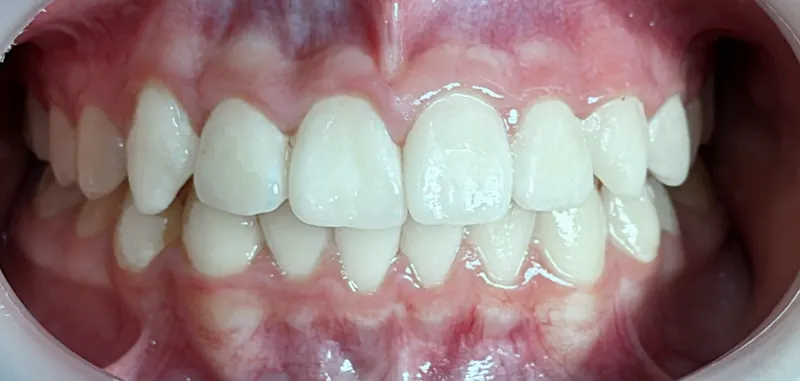
When they are a good fit
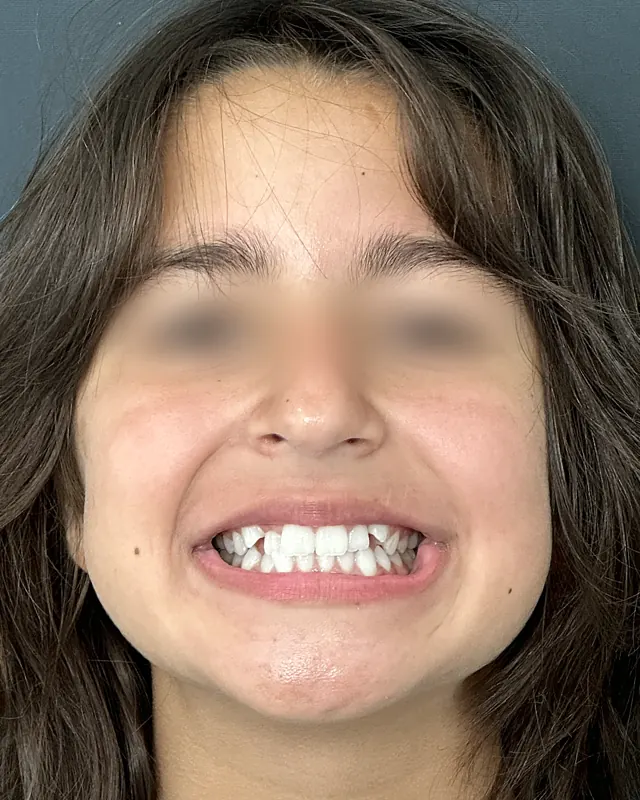
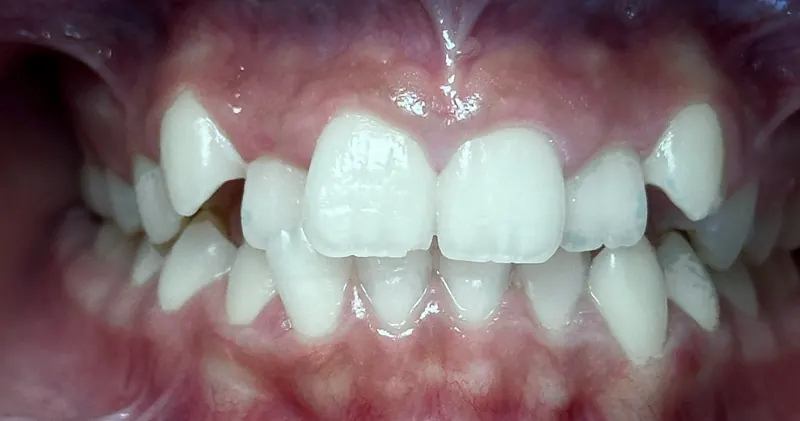
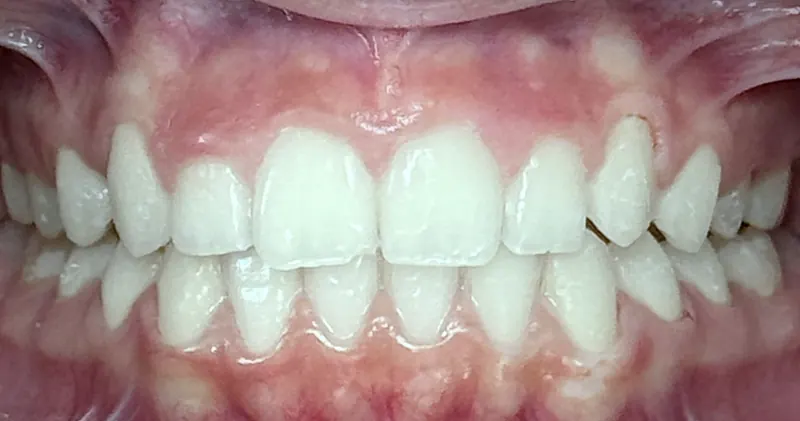
Many bites can also be corrected with aligners: deep bite (the upper teeth cover too much of the lower ones), crossbite and open bite. It depends on how severe they are.



When another option is better
- When the problem is in the jawbone, not just the teeth. Some cases need surgery.
- When very large movements are needed, like raising or lowering a tooth a lot. Sometimes combining techniques works better.
- When you know you will not wear them 20 hours a day. An aligner in its case moves nothing.
- When there are cavities or inflamed gums. Those are treated first, then treatment starts.
Be wary of aligners sent by mail, or of anyone promising to straighten your teeth without an orthodontist examining you in person. Moving teeth without a diagnosis can damage the gums and the bone that holds them.

What nobody tells you before you start
- It is up to you. If you wear them fewer hours, the plan falls behind and the result may not match what you saw on screen.
- Heat warps them. No hot water to clean them, and do not leave them in the car in the sun.
- They get lost. A restaurant napkin is their worst enemy. Always use the case.
- Coffee, tea and wine stain. Take them out to drink anything other than water, or rinse before putting them back.
- Sometimes a touch-up is needed. If a tooth did not end up as planned, you get scanned again and refinement aligners are made.
- Retainers are long term. Teeth tend to drift back. The retainer protects what you achieved.
What to ask at the consultation
Wherever you go, these questions help you compare for real, not just on price.
- Who will handle my case? Are they an orthodontist, and what is their specialty license number?
- Will you check my gums, cavities and bite, or only the crooked teeth?
- Can I see my plan in 3D before I pay?
- How many aligners will I need and how long will it take?
- What happens if I need refinements? Do they cost extra?
- Are retainers included?
- How often are check-ups, and are they included?
- Will you give me the total cost in writing?
Clear aligners in Cancun
At Smile & Align, aligners are planned and followed by an orthodontic specialist from start to finish.
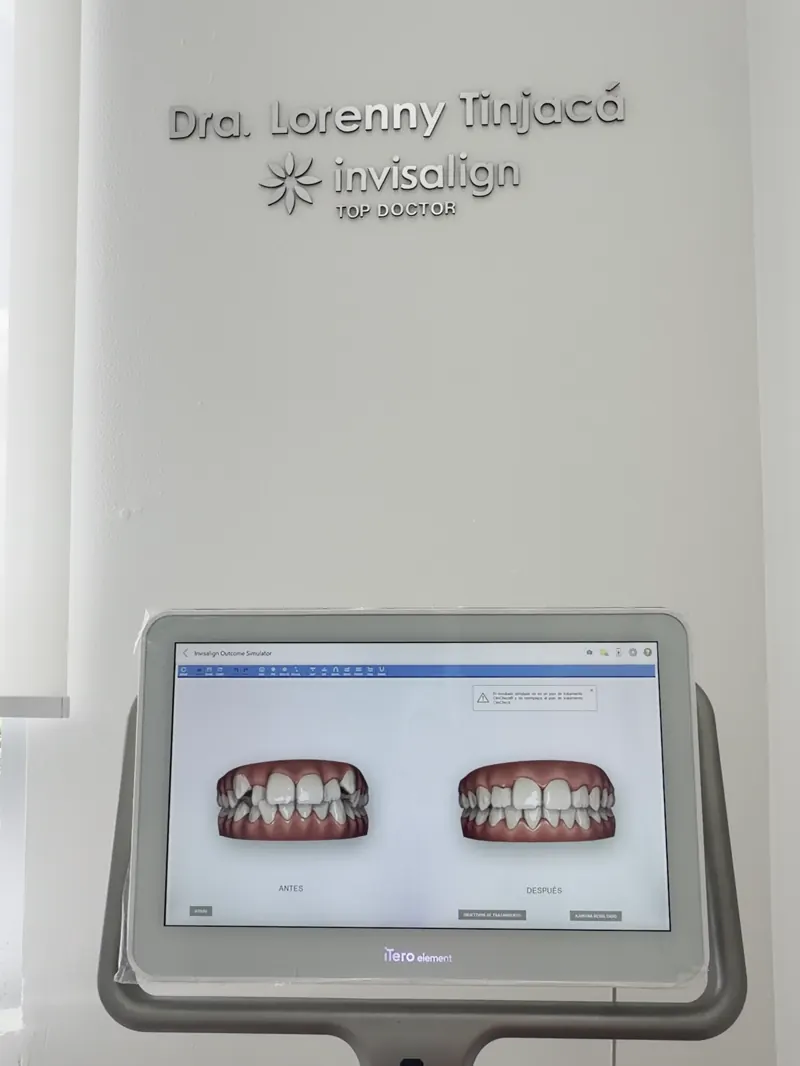
Dr. Lorenny Tinjacá has been an Invisalign Top Doctor in Mexico three years running and is a Vivera Ambassador, the retainer brand. She scans every case with iTero and shows you your plan in ClinCheck before you decide. If your case is not right for aligners, she tells you.
We are in Torre Médica Azuna, in the Hotel Zone, and we see patients in English and Spanish. If you live outside Cancun or are here on vacation, much of the follow-up can be done remotely.
See Invisalign treatment in CancunHow much do clear aligners cost in Cancun?
There is a starting price, but the total depends on your case.
What it depends on
- How many teeth need to move.
- How long treatment takes.
- Which type of Invisalign you need.
What the consultation includes
- An exam with the orthodontist.
- 3D scan with iTero.
- A simulation of your smile.
- Your plan, with the cost in writing.
- It costs MXN 1,000.
From20,000MXN
This is the starting price for Invisalign aligners.
The exact cost, in writing, before you start.
Payment plans: up to 12 interest-free monthly payments with all banks. Financing is also available.
Ask if I am a candidateFrequently asked questions
Do clear aligners work as well as braces?
In the cases they are indicated for, yes: they reach equivalent results. The difference is that they depend on you wearing them 20 to 22 hours a day. In some very complex cases braces are still the better option, and the orthodontist decides that at the consultation.
How much do clear aligners cost in Cancun?
At Smile & Align, Invisalign starts at MXN 20,000. The total depends on how many teeth need to move, how long treatment takes and which type of Invisalign you need. At the consultation, which costs MXN 1,000, we give you the exact cost in writing. You can pay in up to 12 interest-free monthly payments with all banks, or with financing.
How long does treatment take?
It depends on how much needs to move. Some patients finish in 6 months and others take 2 years. At the consultation we give you an estimate for your case.
Do they hurt?
Not really. With each new aligner you feel pressure for a day or two, which is the sign it is working. There are no wires or brackets to hurt you.
Can people tell?
Very little. They are clear and fit snugly on your teeth. Attachments, if you need them, are tooth-colored.
How often do you change them?
Every one or two weeks, depending on your plan. Each aligner is a little further along than the last.
What happens if I do not wear them enough?
Treatment falls behind and the next aligner may not fit well. Forgetting one day is not a big deal, but if it becomes a habit the result changes.
Can I eat with my aligners in?
No. You take them out to eat and brush before putting them back. You can keep them in while drinking plain water.
Is there an age limit for aligners?
There is no upper age limit as long as your teeth and gums are healthy. For growing children there is Invisalign First. At the consultation we tell you if it is the right time.
Can I be seen in English, or if I live outside Cancun?
Yes. Dr. Lorenny and Dr. Roberto Ovando see patients in English and Spanish, and much of the follow-up can be done remotely. Message us and we will work out how often you would need to come in.
Want to know if aligners are right for you?
Book your consultation and we'll show you your plan in 3D.
Torre Médica Azuna, 8th floor, office 820, Av. Sayil, Hotel Zone, Cancun · Get directions · Hours: Monday to Friday, 10 a.m. to 2 p.m. and 3:30 p.m. to 7:30 p.m.; Saturdays, 10 a.m. to 2 p.m.